
When you live in Edmonton, it is apparent quite quickly that you are in oil country. The hockey teams are The Oilers and The Oil Kings. Oil tankers are seen on all the rail lines and the trucks pulling oil tanks pull out of the refineries at a quick pace. If Calgary is where the head offices are, Edmonton is where the trucks and trains flow out of to carry the product. The refineries sit on the east side of the city – not all that far from the city skyline. On cold days you can see the clouds of condensation gathering in the sky over the stacks.
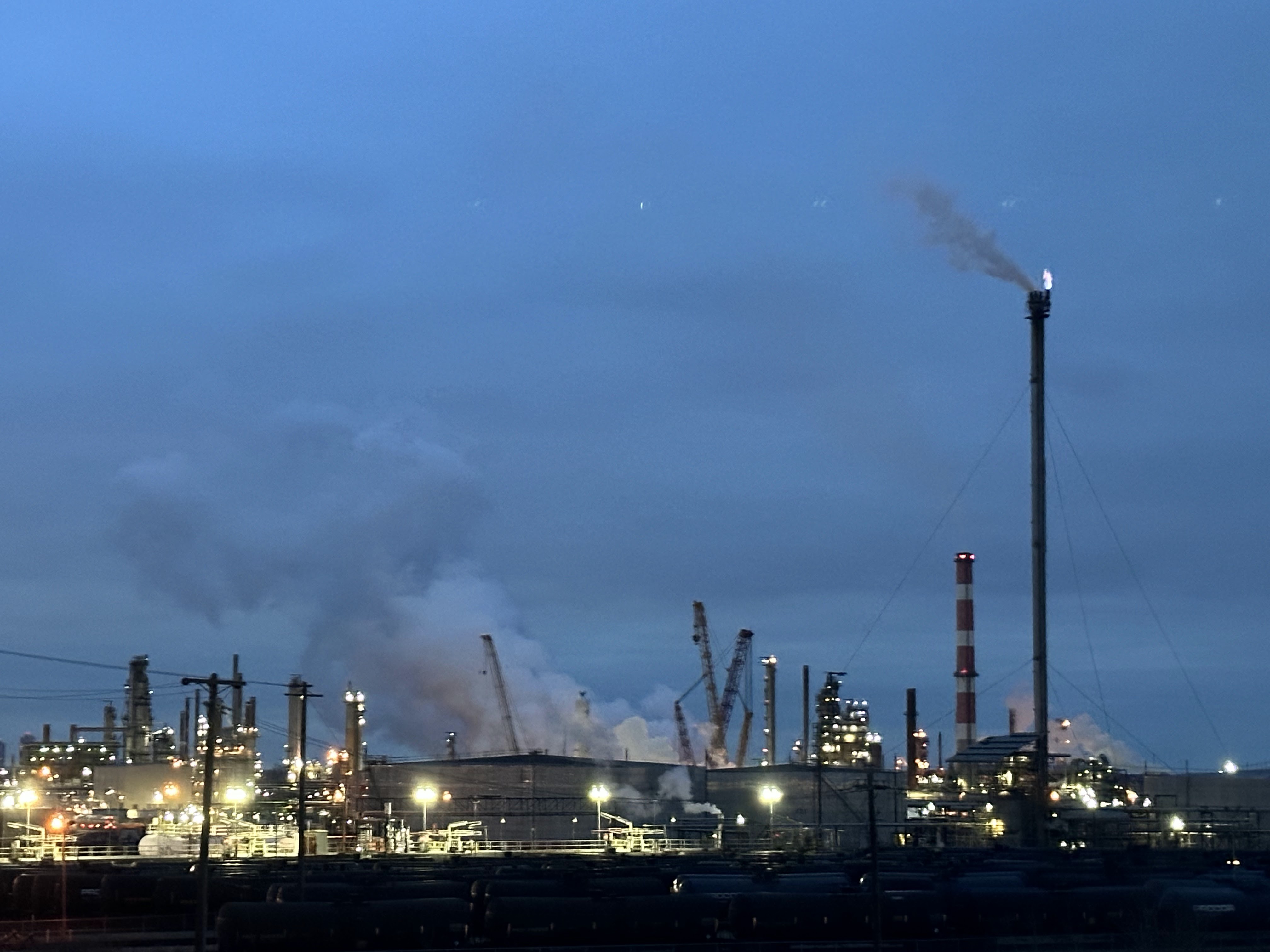
Here’s a few facts about this industry:
- Alberta’s oil sands constitute 8% of Canada’s overall greenhouse gas emissions.
- The oil and gas sector in Alberta is responsible for 17% of the province’s GDP each year.
- Crude petroleum accounted for $43.3 billion worth of Alberta’s total merchandise exports in 2016.
- Alberta produced 81% of the crude oil in Canada.
- Total exports from the oil and gas services sector in 2014 totaled $3 billion.
- Alberta only has 4 active refineries to support the efforts of the oil industry around Edmonton.
- These refineries have the capability of processing up to 474,000 barrels of oil per day.
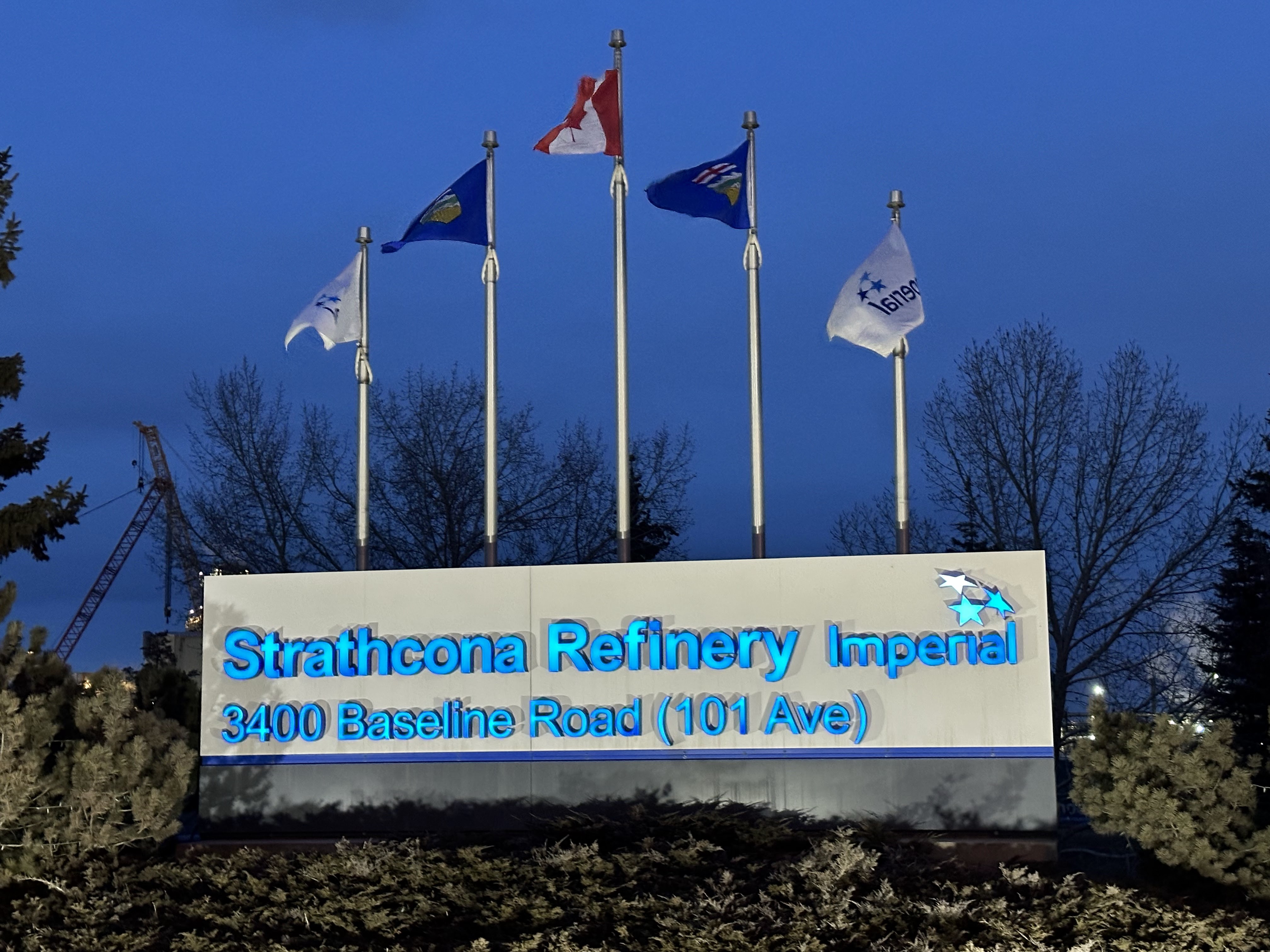
I’ve oftened compared Edmonton to Hamilton as that city has a strong industrial component. The difference really is that Hamilton does not have the same government component. Both have strong University life.

One of the questions hotly debated is the future of industries based on hydrocarbons. Based on the expansive reliance on oil and the vast number of products made from byproducts it would seem that this industry will continue for some time. Of course solar, wind and other “green” power options will continue to develop. But what really will be the future of this industry, time will tell.
 Hybrid Thoughts